

Multiple myeloma: Latest data on a chronic disease
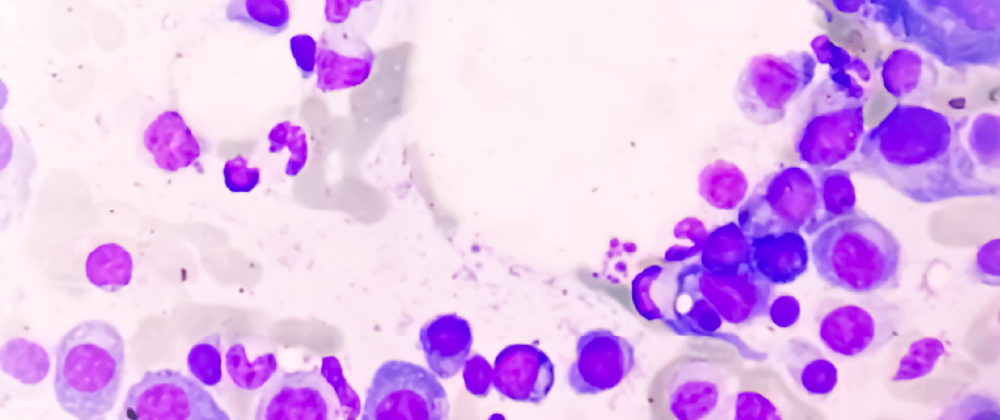
Multiple myeloma is a hematological malignancy resulting from hyperplasia of abnormal plasma cells that infiltrate the bone marrow and secrete an abnormal immunoglobulin in the serum and/or urine.
Under normal conditions, plasma cells produce immunoglobulins, i.e. antibodies (proteins), specialized to “attach” to specific antigens of microbes, viruses, etc., thus inactivating them. In multiple myeloma, plasma cells grow abnormally and multiply uncontrollably, causing various health problems, such as:
- Bone destruction: The excessive production plasma cells can lead to bone damage, osteoporosis, causing pain and an increased risk of even spontaneous fractures.
- Inhibition of normal bone marrow function and blood production: This can lead to anemia, infections and bleeding.
- Production of abnormal proteins: These proteins can accumulate in various organs and affect their function, most often causing renal failure and/or high blood calcium levels.
Multiple myeloma is not a rare hematological disease. It constitutes 1% of all malignancies, 10% of hematological neoplasms and is responsible for 20% of deaths from hematological malignancies. In Europe, the annual incidence is 23,000 new cases per year with the frequency increasing with advancing age. At initial diagnosis, the median age is 65-74 years, while approximately 3% of patients are under 40 years of age. Men are affected more often than women at a ratio of 1.4/1.
What are the symptoms of multiple myeloma?
They can vary and often depend on the extent of the disease and the body’s response. Some of the most common symptoms include:
- Bone pain or bone fractures
- Nausea, vomiting, confusion, feeling thirsty, dehydration
- Increased fatigue, weakness, discomfort, shortness of breath that may affect daily activity
- Blurred vision disorders
- Loss of body weight, without previous effort
- Dizziness, pallor
- Common Infections
- Pain, numbness, tingling, weakness in the lower back or feet
It is important for patients who experience these symptoms to seek medical help for timely and correct diagnosis and treatment.
Is there a test that diagnoses multiple myeloma?
Yes, and diagnosis is easy with blood and urine tests, bone marrow biopsy, and imaging tests such as CT, MRI, and PET scan.
Newer techniques have been developed and contribute to a more effective treatment of the disease, such as CTCs (circulating tumor cells in the blood) for the early detection of the disease or its recurrence, while modern flow cytometry techniques allow the determination of even more minimal residual disease (MRD) after each treatment, to plan the next most appropriate treatment, with the aim of improving survival.
How is multiple myeloma treated? myeloma?
Multiple myeloma is an incurable disease and until a few years ago, patients died in a short period of time, while treatment consisted mainly of relieving symptoms.
Today, the introduction of new targeted effective treatments that combine chemotherapy and biological agents, as well as the application of Autologous Hematopoietic Stem Cell Transplantation, allow for better control of the disease and change the direction of therapeutic goals, the most important of which is long-term remission.
Treatment of bone disease with bisphosphonates and RANKL inhibitor monoclonal antibody, as well as the management of drug side effects are crucial for the quality of life of patients.
Modern treatment of multiple myelomaMyeloma treatment has progressed significantly in recent years, with the aim of increasing survival and improving the quality of life of patients with three main milestones in the progress of treating the disease:
- 1980: Marrow Transplantation of Bone
- 2000: Targeted Therapies
- 2020: Immunotherapies
The main therapeutic approaches include: proteasome inhibitors, immunomodulatory drugs, HDAC inhibitors, monoclonal antibodies, XPO1 inhibitors, immunotoxins, general drugs that specifically target cancer cells or genetic mutations and their molecular mechanisms and enhance the body’s immune response.
CAR T-cell therapy is an innovative approach that involves the genetic modification of the patient’s T-cells to recognize and attack myeloma cancer cells.
While the new treatment for refractory relapsed disease with Bispecific T-cell monoclonal antibody conjugates aims at the activation of T cells and the subsequent lysis and death of BCMA+ myeloma cells.
A newer therapeutic target is the myeloma malignant cells within the bone marrow microenvironment, alone or in combination with other drugs in order to overcome the disease’s resistance to drugs.
Many patients participate in clinical trials that investigate new therapies and drug combinations for induction, stabilization, maintenance therapy, as well as for the treatment of recurrent/resistant disease, or disease relapse. The result of these clinical trials, in which our country is a pioneer, is that 32 new therapeutic protocols (16 drugs) have been approved by the FDA, resulting in survival being extended 3-4 times, from 3 to at least 8-10 years and multiple myeloma being a chronic disease in many patients.
Author


