

What are the benefits of preventive colonoscopy?
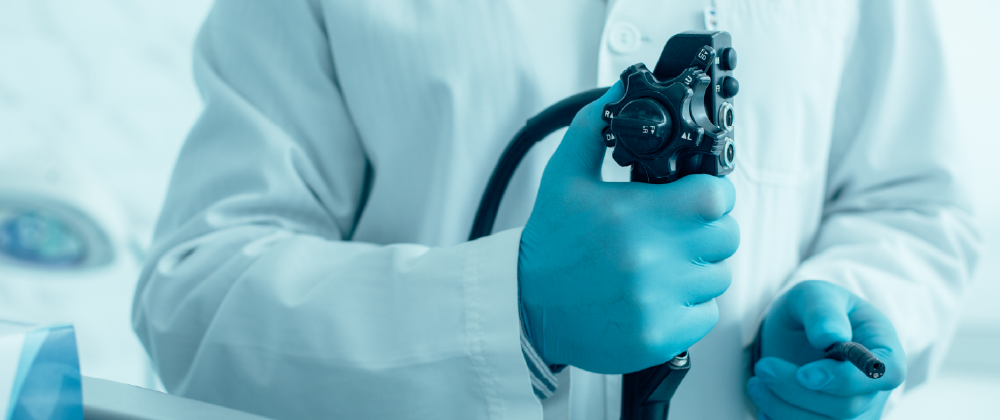
A colonoscopy is a test that allows a doctor to look inside your large intestine, looking for problems. It is one of the most powerful tools for preventing colon cancer, one of the most common and most preventable cancers.
What is a colonoscopy?
During a colonoscopy, a doctor uses a thin, flexible tube with a small camera on the end (colonoscope) to look inside your large intestine. The image is projected onto a screen so the doctor can see anything that looks suspicious. The examination lasts approximately 30 minutes and the patient usually receives sedatives or tranquilizers to make the procedure comfortable.
Before the examination, cleansing of the intestine is required, through a specific liquid diet and laxative, so that the mucosa is clean and clearly visible.
What are polyps and what is their significance?
Polypods are small growths or formations on the inner surface of the intestine, which often resemble moles. Although they are usually benign at first, some types of polyps can develop into cancer over time, often over many years. Therefore, their early detection and removal are crucial for prevention.
There are different types of polyps, such as adenomas, which have a higher risk of turning into cancer, as well as hyperplastic, which usually do not pose a threat. During a colonoscopy, if a polyp is detected, it can be removed immediately with special tools inserted through the endoscope itself. This procedure is quick, safe and, in most cases, painless.
How common are polyps?
Polyps are very common, especially after the age of 40. Studies show that up to 35% of people over 40 have at least one polyp during their first colonoscopy. Most are completely asymptomatic, so the absence of symptoms is not a valid and correct excuse for postponing the examination.
Cancer Risk: with or without Screening
Colorectal cancer is one of the most common types of cancer in Europe, with the risk of developing it increasing significantly with age. Without screening, the lifetime risk is estimated at approximately 1 in 14 for men and 1 in 19 for women.
Regular colonoscopy, however, can reduce the risk of developing and dying from colorectal cancer by up to 80%. This is because the examination allows for the early detection and removal of precancerous polyps before they develop into malignant tumors.
Does it matter where the colonoscopy is performed?
Not all colonoscopies are equal. The experience and training of the doctor make a difference in the performance of the examination. Colonoscopy by a specialist invasive endoscopist, especially in the environment of a large endoscopic unit, allows:
- Detect more polyps, including flattened or indistinct ones polyps.
- Remove larger or more complex polyps safely in the first time, without needing to report for a second time endoscopic or surgical intervention or re-examination.
The main benefit of colonoscopy is Prevention
The most important benefit of colonoscopy is prevention. Unlike other cancer tests that detect the disease after it has already started, colonoscopy can prevent cancer by removing precancerous polyps before they develop. If a polyp is detected and removed early, the need for more aggressive treatments such as surgery, chemotherapy or radiotherapy for a much more dangerous disease can be prevented in the future.
Less often, when apreventive colonoscopy detects an early cancer at an asymptomatic stage, before it has spread, then again the life expectancy and chances of successful treatment are significantly higher.
Is it a safe test?
Colonoscopy is a very safe procedure. Complications are extremely rare. They may include minor bleeding, especially if a large polyp is removed, or, very rarely, a tear in the bowel wall, which can also be repaired endoscopically without surgery in experienced hands. In the vast majority of people, the benefits significantly outweigh the risks. After the examination, the patient can return home or to the office for light work within 1-2 hours.
Conclusion: Preventive colonoscopy
A preventive colonoscopy is one of the most important steps in maintaining your long-term health. It is a simple and effective examination, capable of detecting and preventing colon cancer before it even manifests itself. If you are over 45 years of age or have risk factors, such as a family history, it is important to consult your doctor about the possibility of scheduling a colonoscopy. Ideally, the examination should be performed by an experienced endoscoper, in a hospital setting. This preventative measure can literally save your life.
Author


