

Can SGLT2 (T2D) reduce weight in non-diabetic patients?
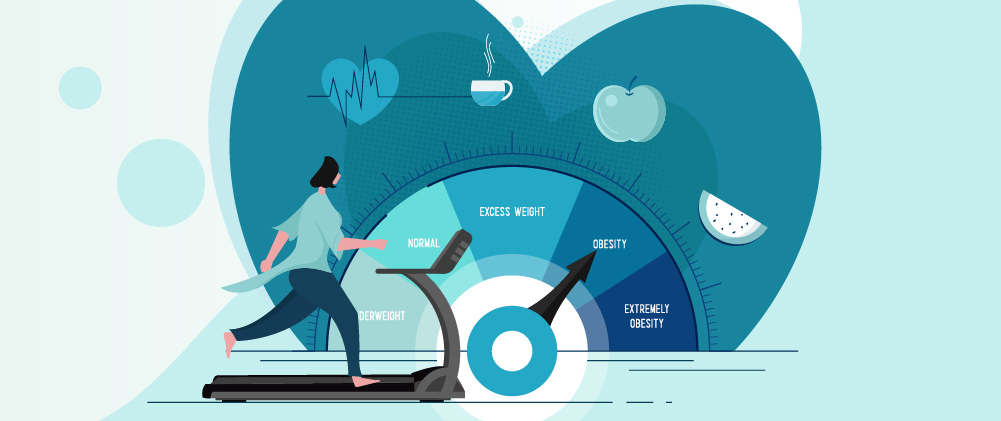
Obesity has been an epidemic disease in recent decades. 1/3 of the world’s population is obese and in some countries it exceeds 50% prevalence.
Obesity and overweight are associated with an increased risk of developing cardiovascular diseases such as type II diabetes (T2D) – hypertension – hyperlipidemia – heart disease and various types of cancer.
Lifestyle changes such as increasing physical activity – quitting smoking and reducing calorie consumption contribute to weight loss but are most often not enough.
The above in combination with drugs such as (SGLT2) inhibitors of the Na glucose cotransporter. This is a recent class of drugs that increase glucose excretion in the urine by inhibiting its reabsorption from the proximal tubule of the kidney. Although they are prescribed as antidiabetic tablets, they have the property of weight loss as glycosuria is proportional to the plasma glycemia level, implying that they are more effective in contrast to T2D.
However, studies and several clinical trials have recently revealed that SGLT2 inhibitors reduce weight in overweight or obese people even without T2D.
Data were collected from 103 reports and 82 studies that showed that the administration of SGLT2 drugs significantly reduces body weight – body mass index (BMI) and waist circumference. Moreover, this effect is maintained for several years.
Canaglifuzin 100mg alone reduces B.B. by 2.8mg.
The above was attributed to glycosuria and fat loss by increasing glucagon and decreasing insulin postprandially and less so at fasting levels, changes that may cause the mobilization of stored fat as an energy source.


