

Thyroid gland diseases – symptoms, diagnosis & treatment
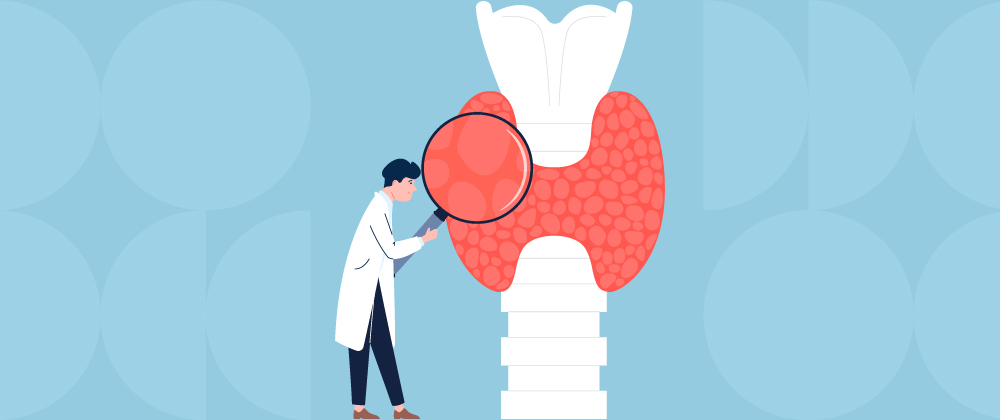
The thyroid gland is a small, butterfly-shaped endocrine gland located in the front of the neck, in front of the windpipe and below the larynx. It produces thyroid hormones (T3 and T4), which regulate metabolism, energy levels, body temperature, heart rate, and overall body function.
Thyroid disorders are very common and affect millions of people worldwide. They can be caused by genetic, autoimmune, environmental, or hormonal factors and can manifest with a wide variety of symptoms.
Common Thyroid Conditions
Goiter
A goiter is an abnormal enlargement of the thyroid gland. It does not necessarily indicate a malfunction of the gland, but can be accompanied by either hyperthyroidism or hypothyroidism. It is often a sign of other underlying problems, such as nodules or autoimmune diseases.
Hypothyroidism
Hypothyroidism is caused when the thyroid gland does not produce enough hormones. The most common cause is Hashimoto’s thyroiditis, a chronic autoimmune disease. Other causes include inadequate iodine intake and certain medications.
Symptoms of hypothyroidism:
- Easy fatigue and drowsiness
- Weight gain
- Depression
- Dry skin and brittle hair
- Intolerance to cold
- Slow heart rate
- Menstrual irregularities
Hyperthyroidism
Hyperthyroidism is an overactive thyroid gland, with excessive hormone production. The most common cause is Graves’ disease, an autoimmune disorder.
Symptoms of hyperthyroidism:
- Weight loss with normal or increased appetite
- Tachycardia
- Anxiety, insomnia, and nervousness
- Hand tremors
- Heat intolerance and increased sweating
- Muscle weakness
- Exophthalmos (in advanced cases)
Thyroiditis
Thyroiditis is the inflammation of the thyroid gland and can be acute, subacute, or chronic. It can be associated with both hypothyroidism and hyperthyroidism and is often caused by infections, autoimmune reactions, or toxic substances.
Thyroid Nodules
Thyroid nodules are round lesions that form within the gland. They can be cystic or solid, and while most of the time they are benign, a percentage are malignant.
Nodule Symptoms:
- Visible or palpable swelling in the neck
- Pressure phenomena (difficulty swallowing or breathing)
- Hyperfunction and overproduction of hormones (in “hot” nodules)
Thyroid Cancer
Thyroid cancer is the most serious disease of the gland, however, with early diagnosis it has very high survival rates.
Most common types:
- Papillary carcinoma
- Follicular carcinoma
Symptoms:
- Nodular swelling in the cervix
- Hoarseness, change in voice
- Swollen lymph nodes
- Difficulty swallowing
Causes and risk factors for thyroid diseases
- Genetic predisposition – family history
- Autoimmune diseases (Hashimoto, Graves)
- Iodine deficiency or excess
- Radiation exposure
- Hormonal changes (pregnancy, menopause)
Diagnosis and control of the thyroid
Diagnosis includes:
- Blood tests: TSH, T3, T4, antibodies (anti-TPO, anti-Tg)
- Ultrasound of the cervix: to check for goiter and nodules
- Fine needle aspiration (FNA): to diagnose malignancy
Treatment of thyroid diseases
The treatment of the thyroid gland depends on the nature and severity of the disorder and may include:
- Hormone replacement (thyroxine)
- Antithyroid drugs
- Surgery (thyroidectomy)
- Radioactive iodine
- Monitoring for benign nodules
Conclusion
Thyroid diseases are common and often underdiagnosed. With appropriate information, timely diagnosis, with awareness and treatment, people with thyroid disorders can have a good quality of life. Regular thyroid checkups are essential for prevention and early intervention.


