Urinary Stone Disease: Prevention & Treatment
What is urolithiasis?
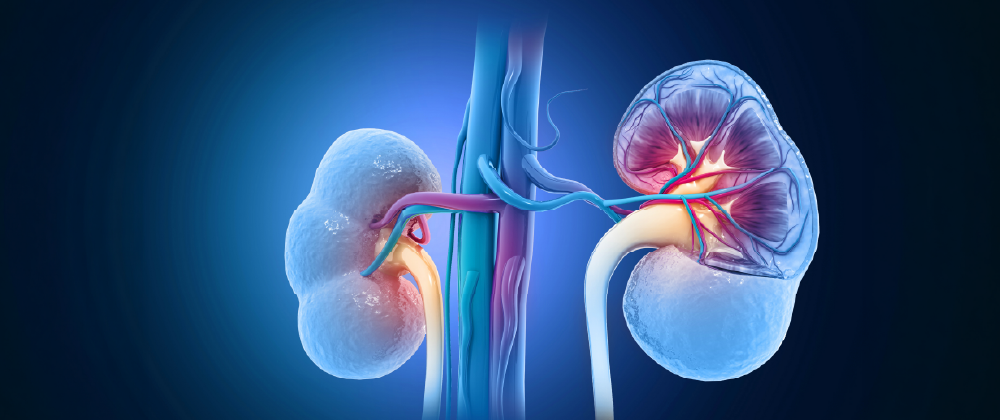
Urolithiasis refers to the formation of stones in various parts of the urinary system: in the kidneys, ureters, bladder or urethra. Stones are formed by the precipitation of salts and metals contained in urine and can cause pain, blockage or urinary tract infections.
What are the most common symptoms of lithiasis?
The main symptoms include:
- Severe pain in the back or sides (renal colic)
- Hematuria (blood in urine)
- Frequent or burning sensation during urination
- Nausea or vomiting
- Fever (when coexisting infection)
What are the causes of stones?
The causes are multifactorial and include:
- Reduced fluid intake
- Diets rich in animal protein, sodium or oxalates
- Inheritance
- Diseases such as hyperparathyroidism or urinary tract infections
- Anatomical abnormalities of the urinary tract
How is the diagnosis made?
The diagnosis is based on:
- Clinical evaluation
- Imaging tests such as ultrasound, X-ray and CT scan
- Urine and blood analysis
- Subsequent chemical analysis of stones
What are the basic prevention measures?
- Adequate fluid intake (at least 2-2.5 liters per day)
- Diet low in salt and animals fats
- Limit foods high in oxalates (e.g. spinach, chocolate, nuts)
- In special cases, medication
What are the modern treatment methods?
The choice of method depends on the size, location and composition of the stone:
The most modern techniques include:
- RIRS(Endoscopic Nephrolithotripsy):
RIRSis a minimally invasive technique in which a flexible digital ureteroscope is used for endoscopic access to the ureter and kidney through the normal route (urethra – ureter), without the need for an incision. Modern digital (digital) technology with a microcamera and alaser relieves the patient immediately, painlessly and bloodlessly from kidney stones.
The digital microcamera, placed at the top of the ureteroscope, provides high-definition images and analysis of the internal anatomical structures of the kidney and ureter, allowing for precise identification and assessment of the stones. The use of a laser offers rapid and effective fragmentation of stones, regardless of hardness and composition. The tool is extremely thin (diameter approximately 2 mm), with a revolutionary design (remote-controlled tip, flexible up to 270°), which allows the tool to be comfortably advanced to all parts of the kidney without injury. In addition, through the working channel and the use of auxiliary tools, the removal of all residual lithiasis is achieved.
With the flexible digital ureteroscope, the patient is permanently freed from the problem of stones, with minimal postoperative pain, rapid recovery and almost zero injury to the kidneys and urinary system.
- Mini – PCNL(Mini – Percutaneous Nephrolithotripsy):
This is a percutaneous access to the kidney through a smaller channel compared to the classicPCNL, allowing the removal or fragmentation of larger stones with less trauma to renal tissues. It has a high success rate, fewer complications and a shorter recovery.
- ECIRS(Combined Endoscopic – Percutaneous Surgery):
ECIRScombines the advantages ofRIRS(endoscopic lithotripsy and percutaneous nephrolithotripsy (Mini–PCNL) in the same procedure. It is performed simultaneously with both transurethral/endoscopic and percutaneous approach, providing excellent visualization and complete access to the entire renal system. It is ideal for complex or extensive lithiasis, as it increases the rate of complete stone removal in a single session.
What is the postoperative care?
Depending on the method used, the patient can be discharged from the hospital the same or the next day. Adequate hydration is recommended, avoiding intense physical activity for a few days.
What should I know about stone recurrence?
Stones have high rate of recurrence if the causes are not treated. Therefore, long-term monitoring and personalized prevention by a specialized urologist are considered important.
Author